Evidence-Based Memory and Graph Review
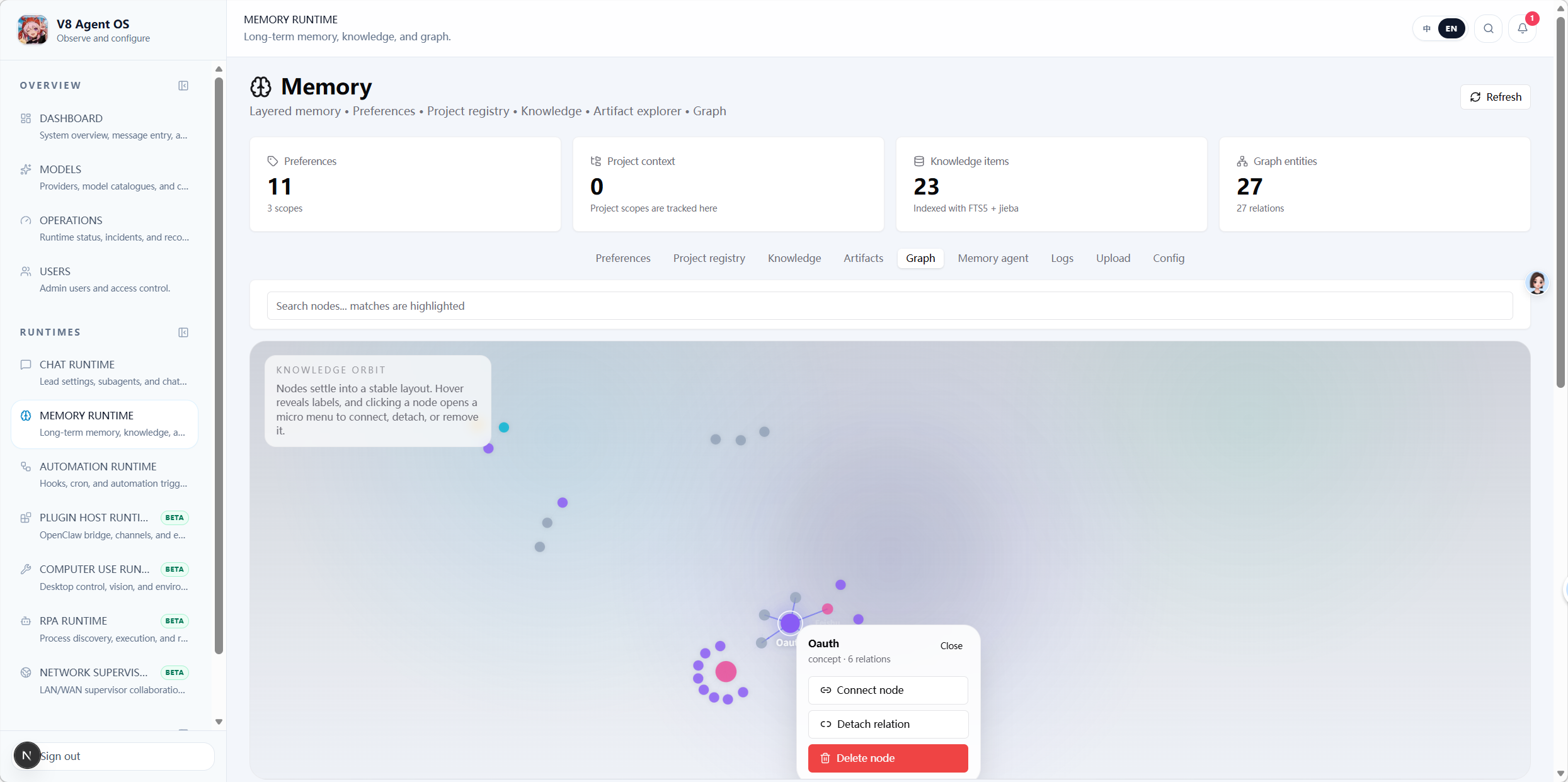
Memory is stored as evidence, preferences, graph relations, and artifacts—not as an unquestioned instruction stream. Maintenance jobs and the Admin graph let operators review, edit, and trace what is recalled.
 V8 Agent OS
V8 puts the Supervisor in front of every task and keeps execution grounded in runtime state, evidence, artifacts, and explicit boundaries.
The desktop app is the main workspace; specialized modes handle coding, research, media, desktop work, and RPA, while the paired Phone app continues tasks and handles governed approvals remotely.
Memory is stored as evidence, preferences, graph relations, and artifacts—not as an unquestioned instruction stream. Maintenance jobs and the Admin graph let operators review, edit, and trace what is recalled.
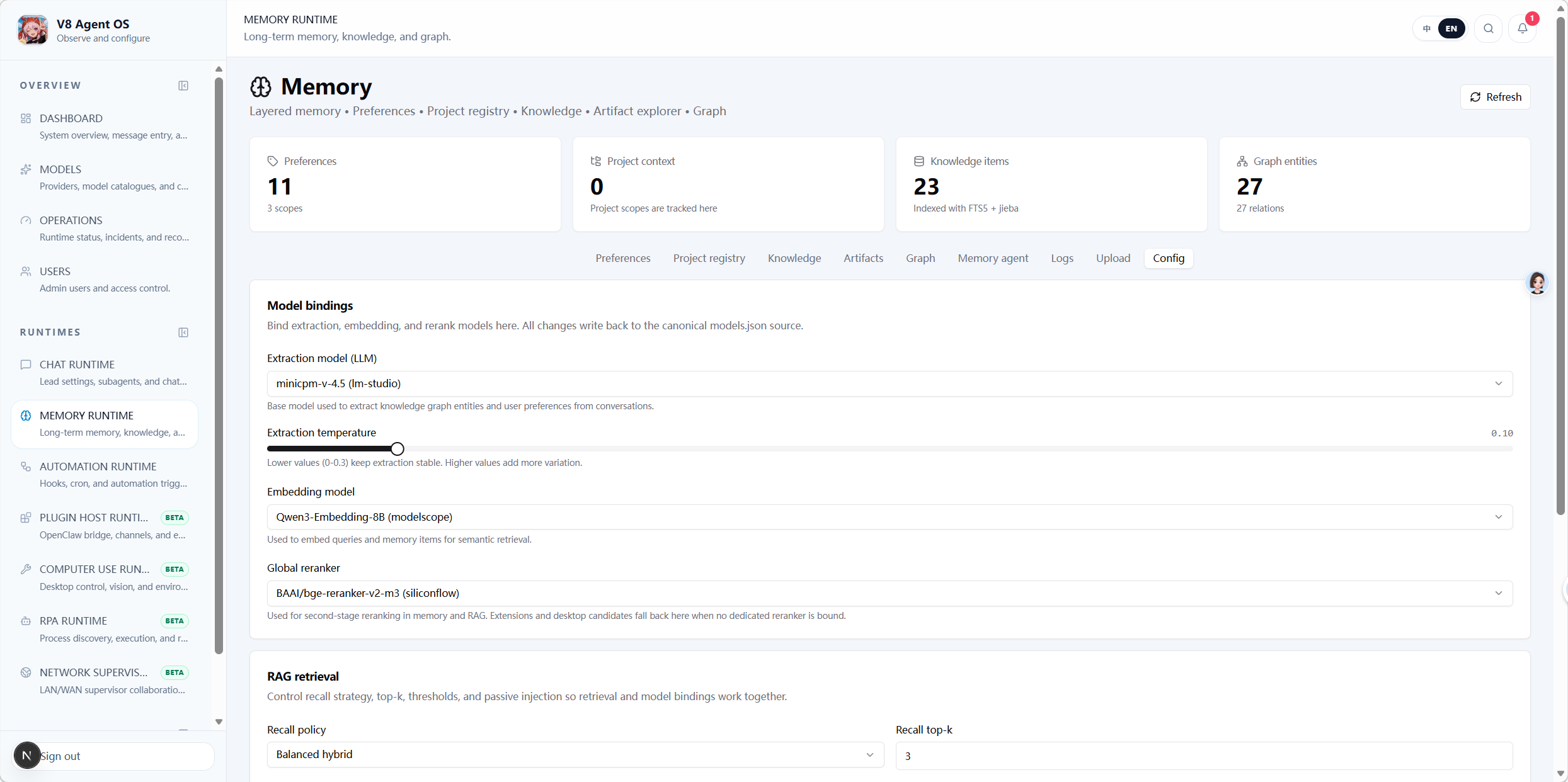
Assign different providers and models to the Supervisor, subagents, media work, embeddings, and utility tasks. Health checks and failover expose degraded paths instead of hiding them.
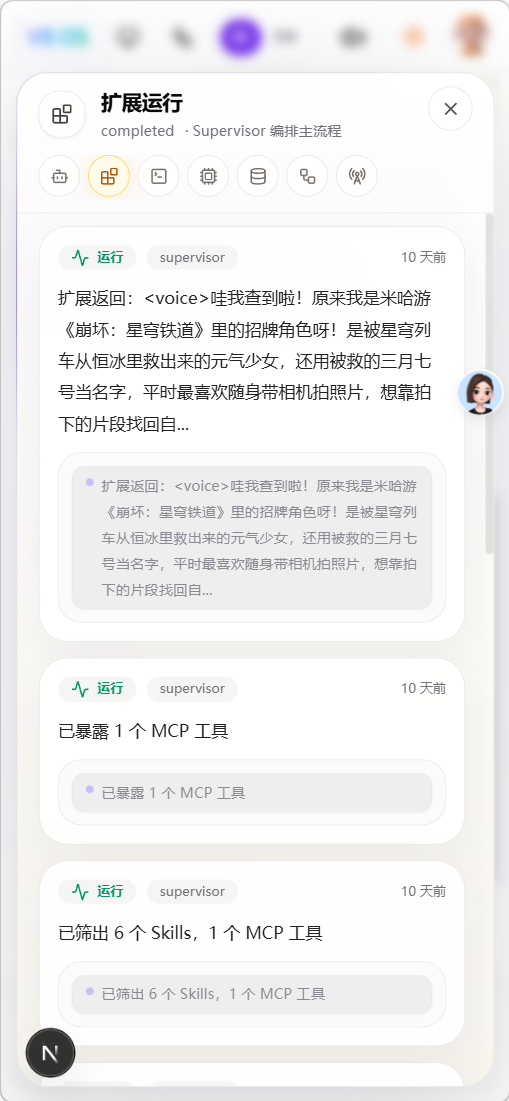
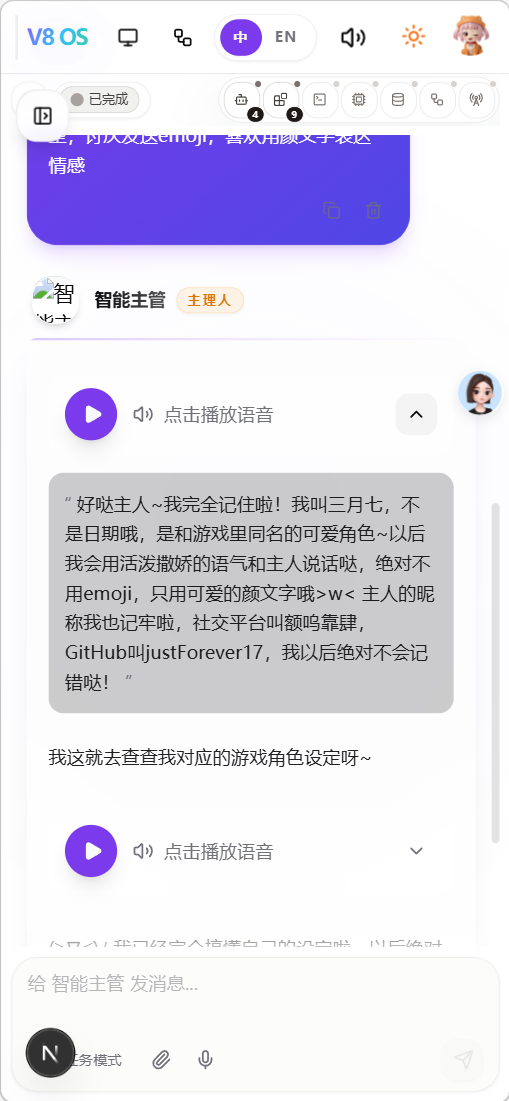
The desktop app remains the main workspace. A paired Phone can continue tasks, answer blocking questions, send voice or files, inspect artifacts, and approve governed side effects while you are away.
Install reviewed CLI, MCP, Skill, and UI components from a signed catalog, including the official AMap CLI. @plugin is a strong hint, while the Supervisor may grant the smallest ready task component set and pass only a subset to a direct subagent.
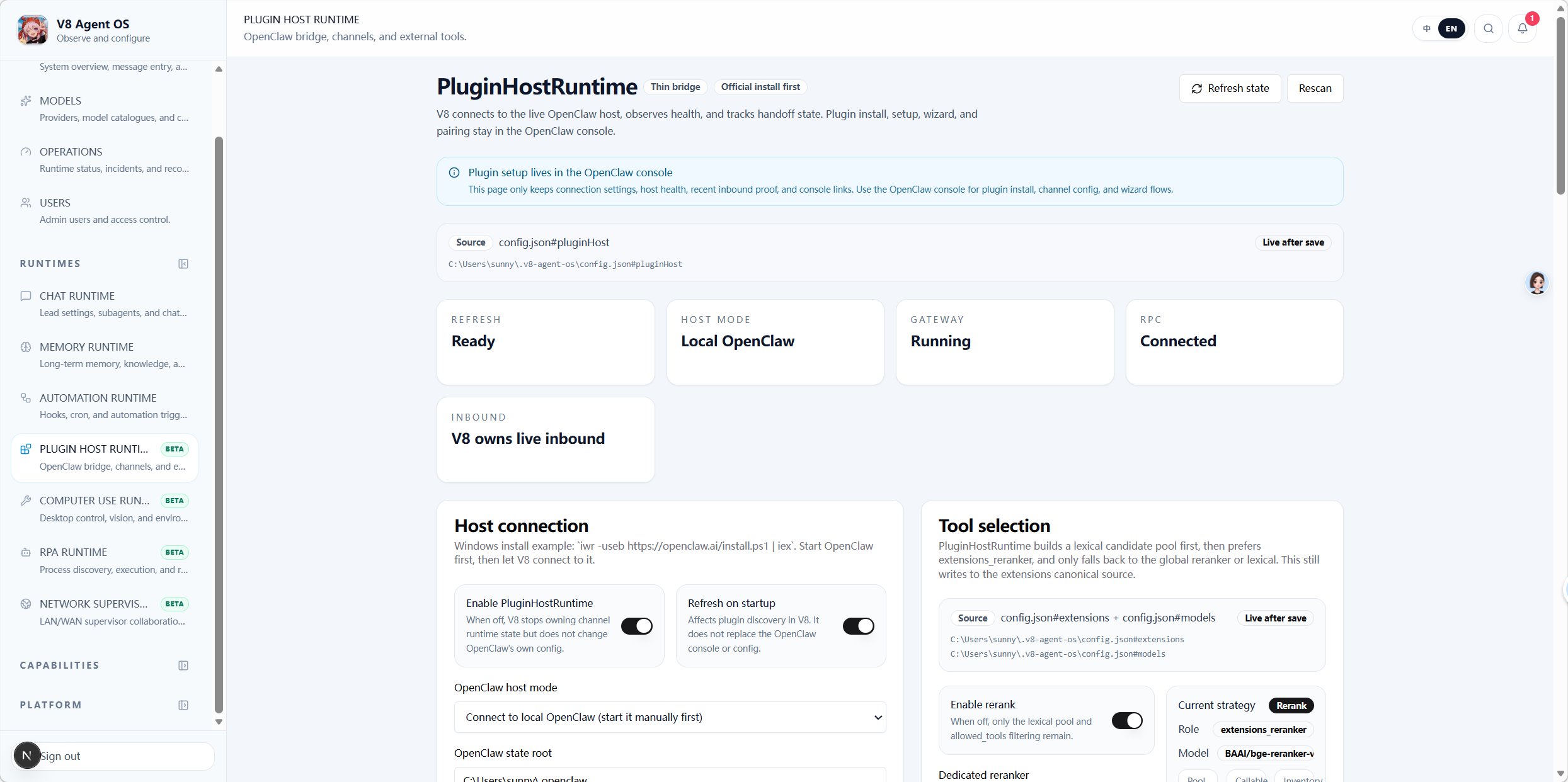
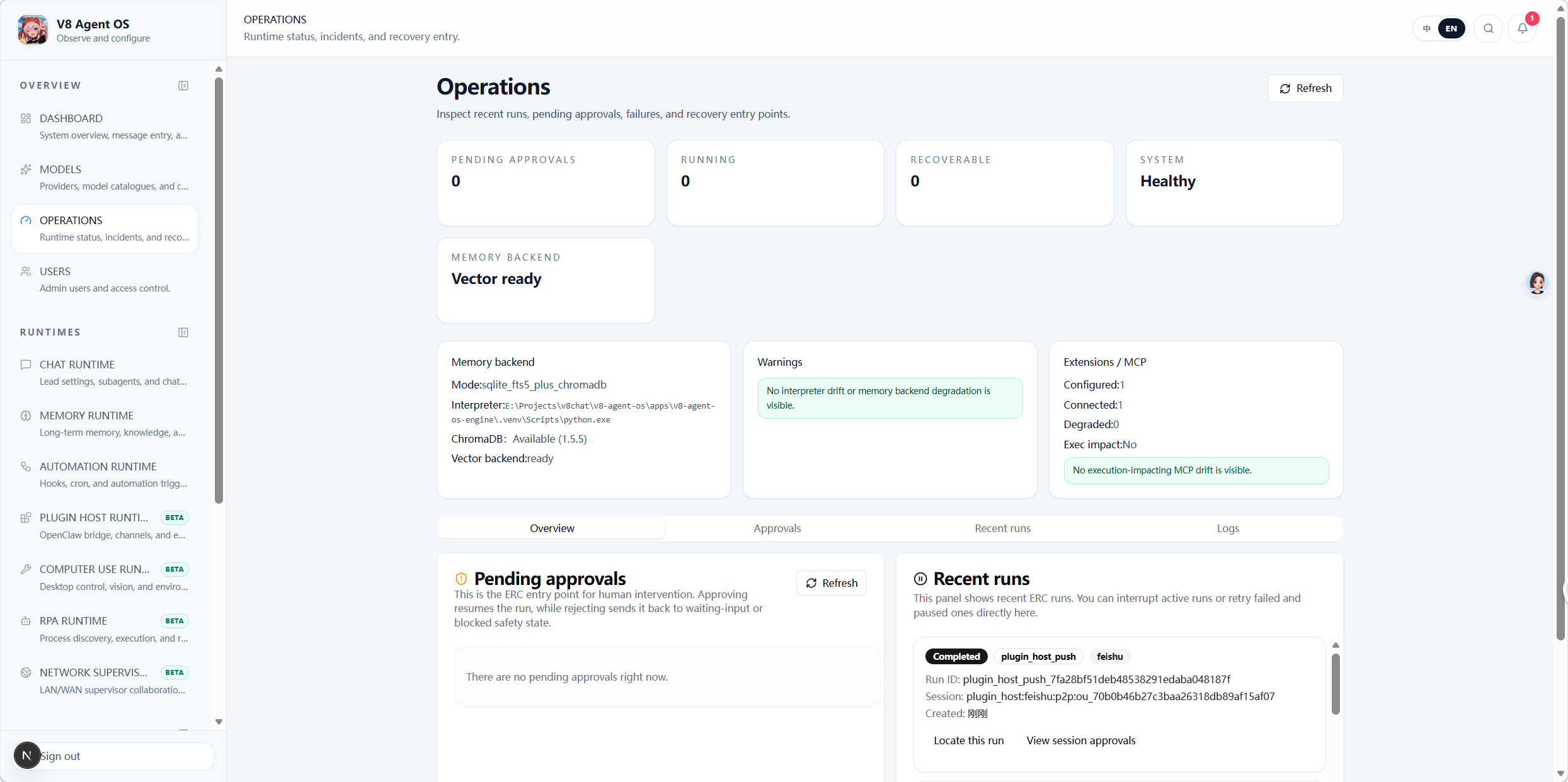
Workspace boundaries, typed CLI actions, approvals, grant digests, and per-call revalidation keep privileged operations inspectable. Blocked or degraded paths return a recovery route instead of a fabricated success.
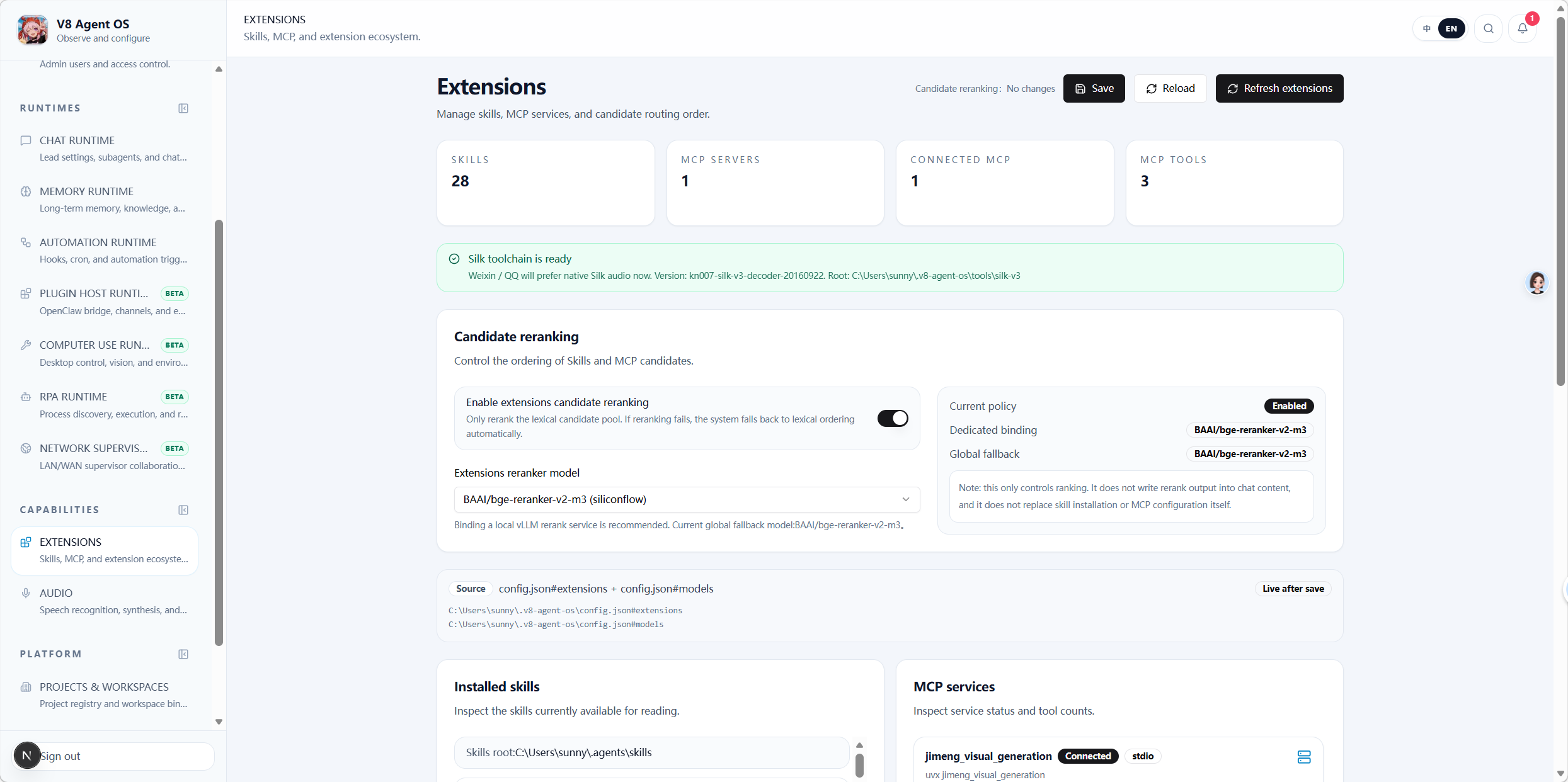
General Skills and MCP tools are shortlisted for the current task instead of flooding the model context. Plugin-owned components stay outside that pool until a valid task grant projects them.
Computer Use can observe and complete one-off desktop work. Repeatable steps are promoted into RPA only after scope, timing, environment, and verification evidence are explicit.
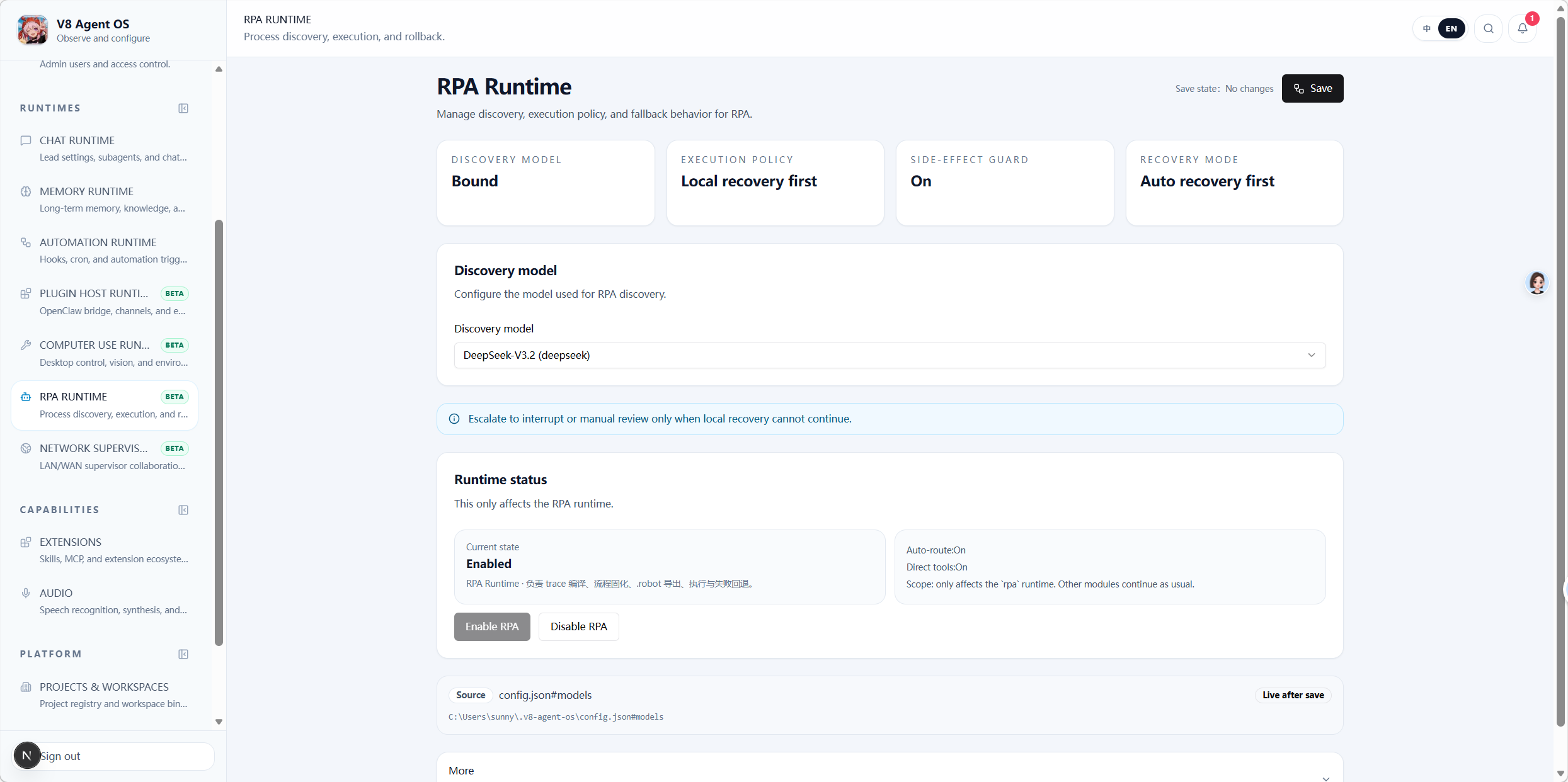
Queued episodes, leases, typed handoffs, artifacts, and recovery state keep complex work inspectable across pauses and restarts. The Supervisor still verifies the returned evidence before declaring completion.
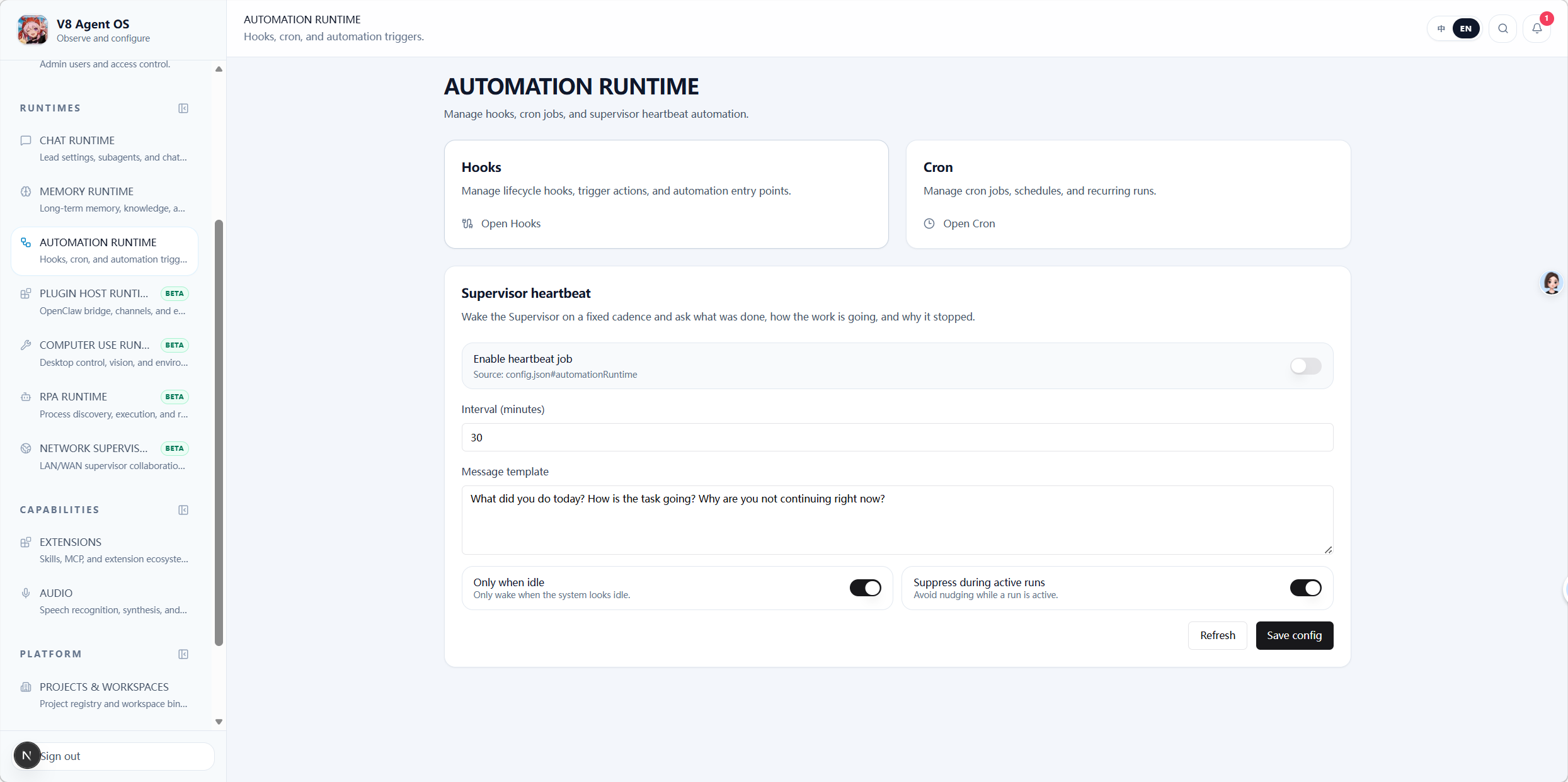
A new task can reference earlier goals, confirmed decisions, Spec state, artifacts, failures, and blockers without inheriting the old workspace, permissions, checkpoint, or runtime episode.
Requirements, design, and task stages keep stable IDs and approvals. Delegated work preserves lineage, exact write sets, self-checks, artifacts, and parent acceptance instead of collapsing into a vague summary.
Six stable facades cover planning, assets, jobs, editing, quality, and capability discovery. Recipes, provider locks, sample approval, artifact proof, and QA remain part of the delivery chain.
The companion follows the active task through a local authenticated control channel, opens settings inside the desktop app, applies saved appearance changes live, and uses graceful shutdown before any force fallback.
The current public channel is an unsigned desktop preview, not a signed stable or auto-updating release. It bundles the interface shell, governance layer, and execution runtime; Phone remains the paired remote interaction surface.